Where the north begins
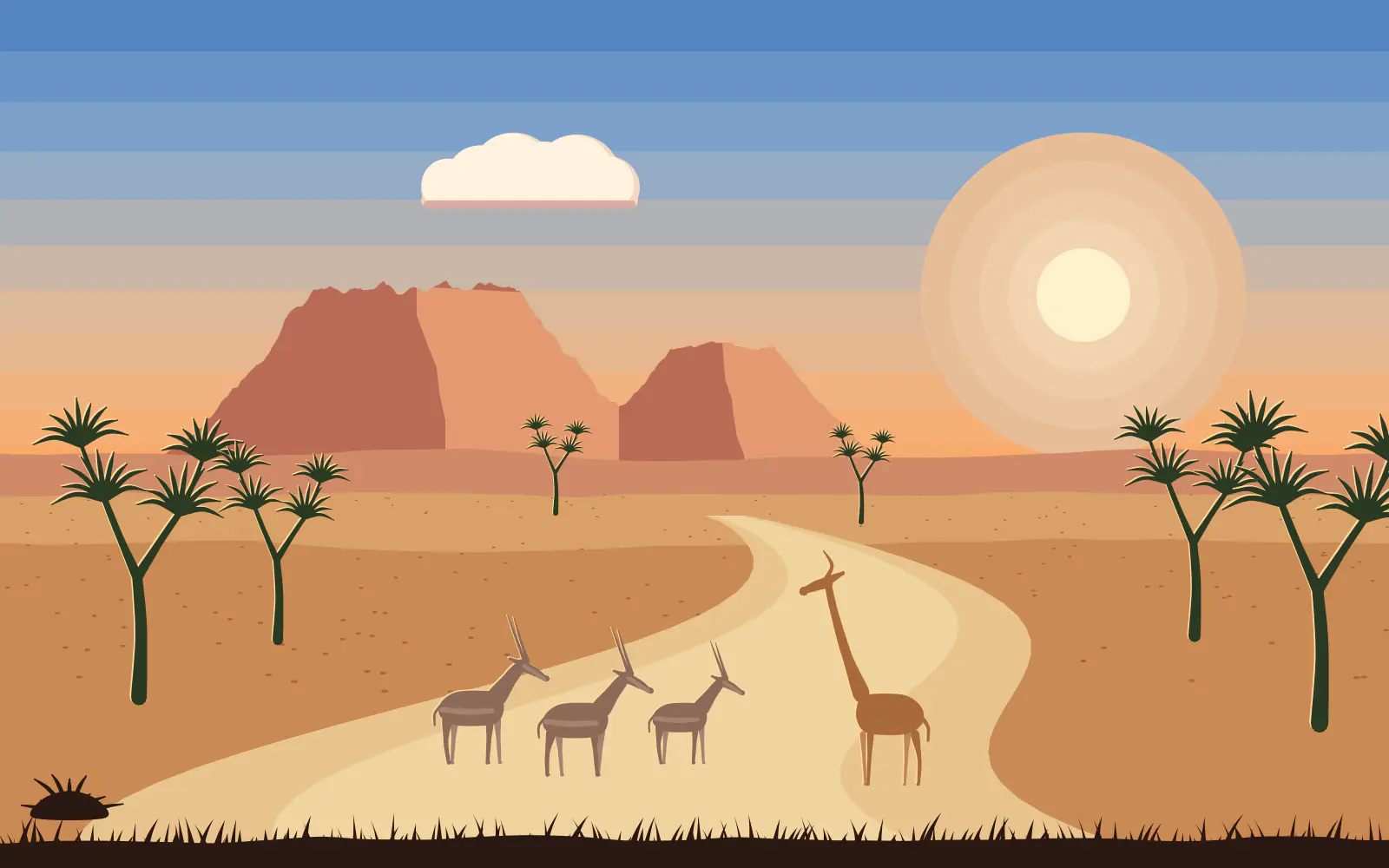
Samburu National Reserve lies in the semi-arid north of Kenya, where the green of the central highlands gives way to red earth, thorn scrub and rocky hills. The Ewaso Ng'iro River runs along the reserve's southern edge, and its banks, lined with doum palms and acacias, form a ribbon of life in a dry landscape. The contrast is the story: animals gather to drink, birds crowd the canopy and the surrounding country shimmers with heat.
Samburu forms a trio with the neighbouring Buffalo Springs and Shaba reserves, and together they make up a wider area of dry-country habitat. The region takes its name from the Samburu people, pastoralists whose traditions, dress and music are closely connected to the land.
Wildlife of the dry country
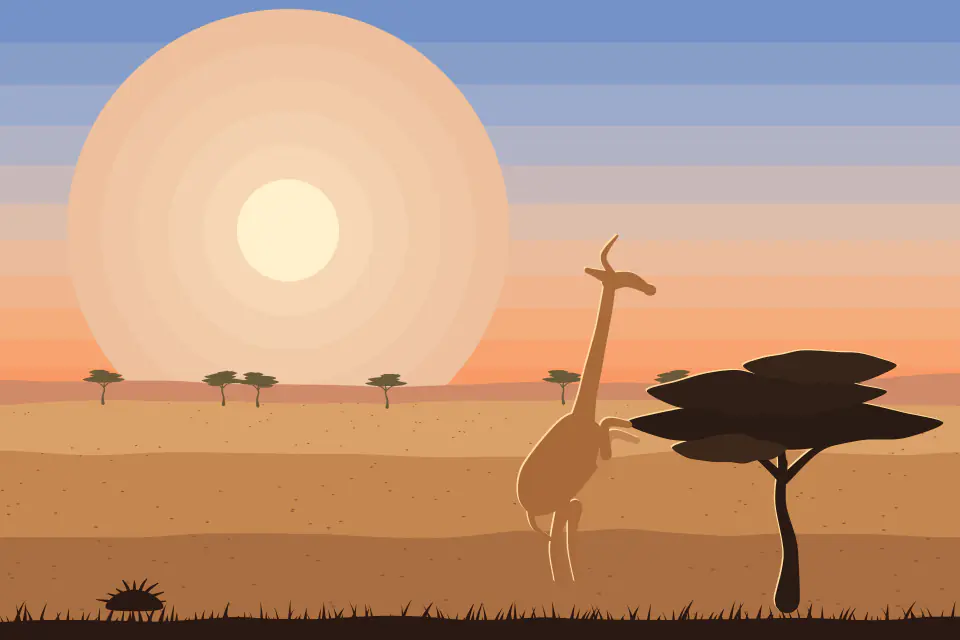
The reserve is often associated with five species found in northern Kenya and less commonly elsewhere: the Grevy's zebra, with its fine stripes and rounded ears; the reticulated giraffe, with its sharply defined patterning; the Somali ostrich, with a blue-grey neck; the beisa oryx, with long, straight horns; and the gerenuk, an antelope that stands on its hind legs to browse. Seeing any of them is a possibility, not a promise.
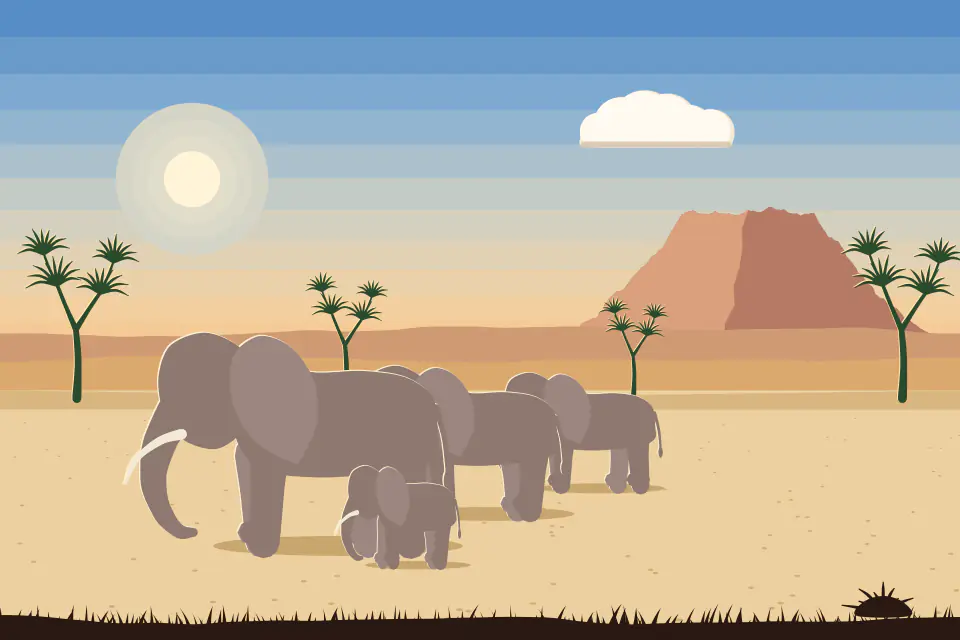
Elephants frequent the river, lions, leopards and cheetahs live in the reserve, and crocodiles bask on the banks. Birdlife includes vulturine guineafowl, Somali bee-eaters and a range of raptors, which makes the reserve rewarding for birdwatchers who enjoy colour and variety.
Planning your journey
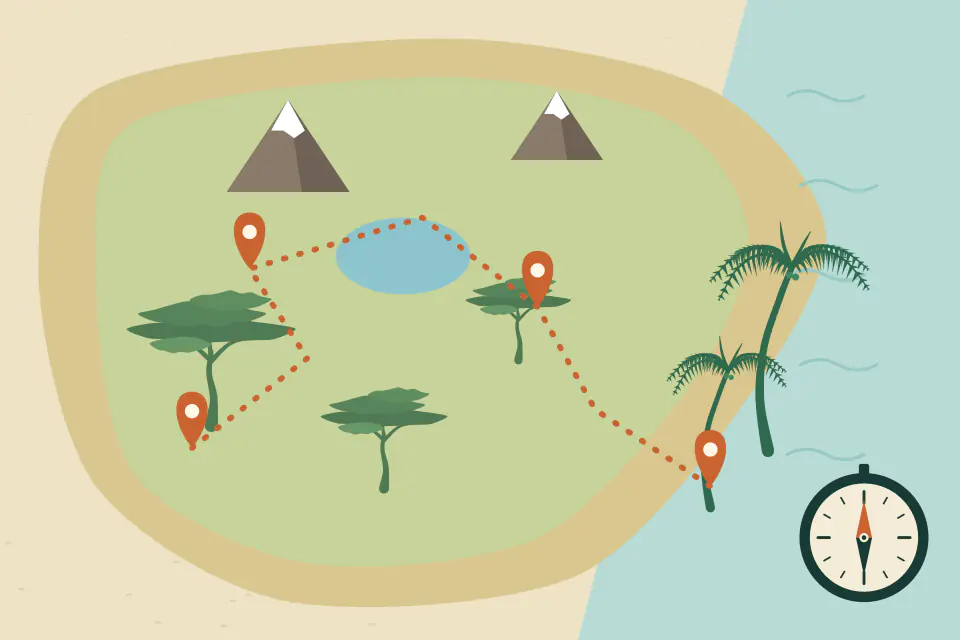
Samburu is far from Nairobi, and reaching it by road is a long day, with the route depending on traffic, road conditions and stops. Many travellers choose to fly to a nearby airstrip instead and save time. Because of the distance, two or three nights make a worthwhile visit, and it works well with Mount Kenya, the Laikipia plateau or the Rift Valley as part of a wider journey; read planning a multi-destination Kenya holiday for ideas. Check current official travel advice for northern regions and confirm arrangements with your operator.
Where to stay
Lodges and tented camps sit along the river, many with views of animals coming down to drink, and some operate in nearby community conservancies. Conservancy stays can bring added activities, such as guided walks, and benefit local landowners, though rules differ between properties. See understanding safari accommodation options for the main styles.
Respecting people and place
Daytime heat is intense, so carry water, cover up and rest in the middle of the day. Cultural visits to Samburu communities should be arranged openly, with the community's agreement; ask before photographing people, and treat the visit as an exchange. Keep to tracks, leave no litter and give wildlife space. When you are ready to start planning, plan your trip with us.