
When to Visit Kenya: Understanding the Seasons
Kenya has no single best month. This guide explains the general pattern of dry and rainy seasons, what each means for wildlife, the coast and the mountain, and how to choose dates with open eyes.
In this guide 10 sections
Ask five people who know Kenya well when to visit and you will probably get five different answers, each right for the person giving it. That is not evasion. Kenya sits on the equator and spans coast, savannah, highlands and semi-desert, so its weather follows altitude and local geography as much as the calendar. What follows is a general pattern rather than a forecast, and climate varies from year to year and from place to place.
The shape of a Kenyan year
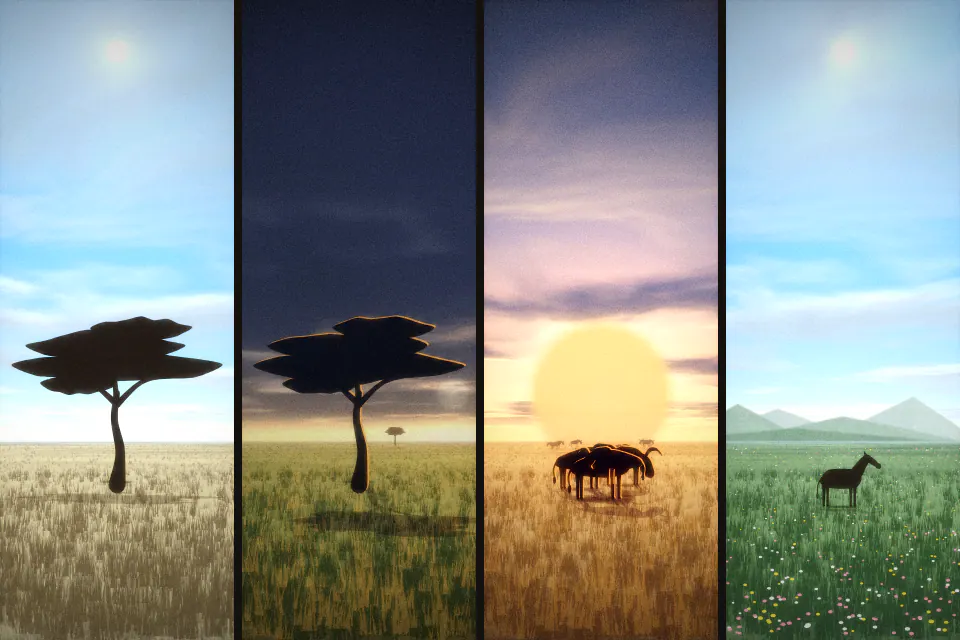
Most of the country has two rainy seasons and two drier ones, though the edges blur and recent years have been less predictable than the textbooks suggest.
- The main dry season, roughly June to October. Skies are often clearer, highland nights are cool, grass is shorter and animals tend to gather near water. Roads are generally firmer, and this is the busiest period in the best-known reserves.
- The short rains, roughly November to December. These often arrive as showers rather than days of steady rain, but they are notoriously unreliable. The landscape greens quickly.
- A shorter dry spell, roughly January to February. Often hot, dry and clear, and popular with travellers.
- The long rains, roughly March to May. For many regions this is the wettest stretch. Landscapes are lush and vehicles are fewer, but some tracks become difficult, and a number of camps reduce operations or close for part of the season.
Treat these months as tendencies. A wet spell in a traditionally dry month, or a dry spell in a wet one, is entirely possible.
What the seasons do to wildlife viewing
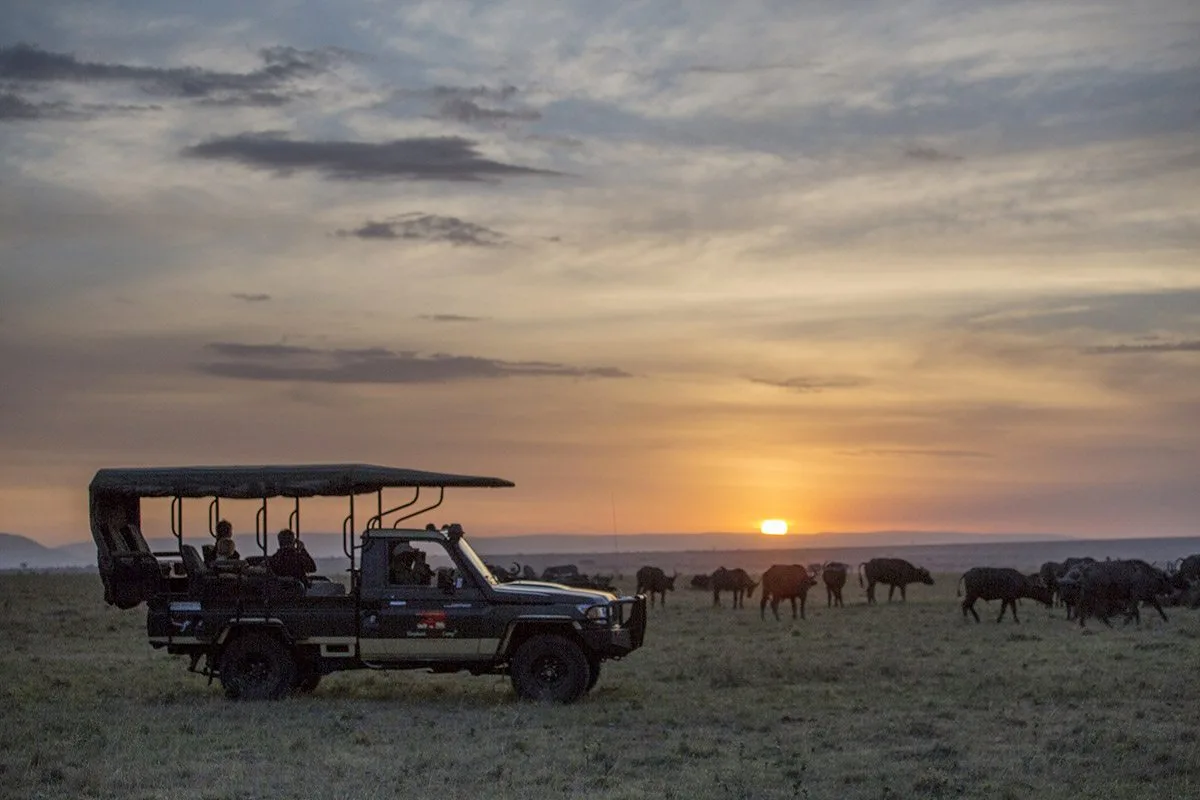
In drier months, water becomes scarce and animals concentrate around rivers and waterholes, which can make them easier to find. Vegetation is lower, so visibility across the plains can be better. In greener months animals disperse, grass grows tall and sightings may take more patience, though birdlife is often at its liveliest and the scenery is far more dramatic. Some visitors prefer exactly this, with fewer vehicles at each sighting.
The wildebeest movement through the Maasai Mara deserves a careful word, because it dominates so many conversations. The herds that travel between Tanzania’s Serengeti and the Mara are the subject of countless plans. Their presence in the Mara typically peaks around the drier months, but timing varies year to year and is never guaranteed, and river crossings in particular are unpredictable. Plan a Mara trip because the reserve is worth seeing in its own right, with resident wildlife throughout the year, and treat the herds as a bonus if they are present.
A season changes what a safari feels like, not whether it is worth taking.
Region by region
Maasai Mara and the Rift Valley
Highland weather brings cool mornings and evenings in every season, so pack warm layers even in the dry months. After heavy rain, dark clay tracks can slow vehicles considerably. Lakes Naivasha and Nakuru are generally comfortable through the year, with birdlife that shifts with water levels and migration.
Amboseli and Tsavo
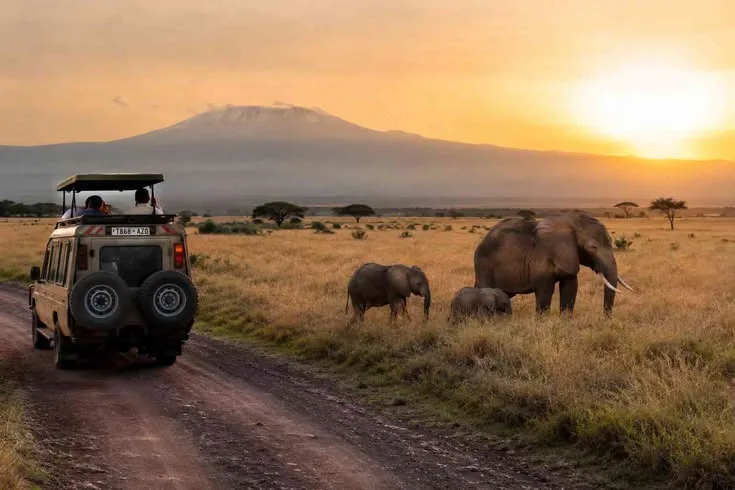
These lowland parks are hot, and dust is part of the experience in drier months. Views of Mount Kilimanjaro depend on cloud, which often builds as the day warms, so early mornings tend to offer the better chance of a clear mountain. Tsavo is vast, and rain can turn its red earth to mud quickly.
Samburu and the north
The north is hot and dry for most of the year, and rain, when it comes, can be brief and local. The sensible approach is to plan around the heat, with early starts and a long midday rest.
The coast
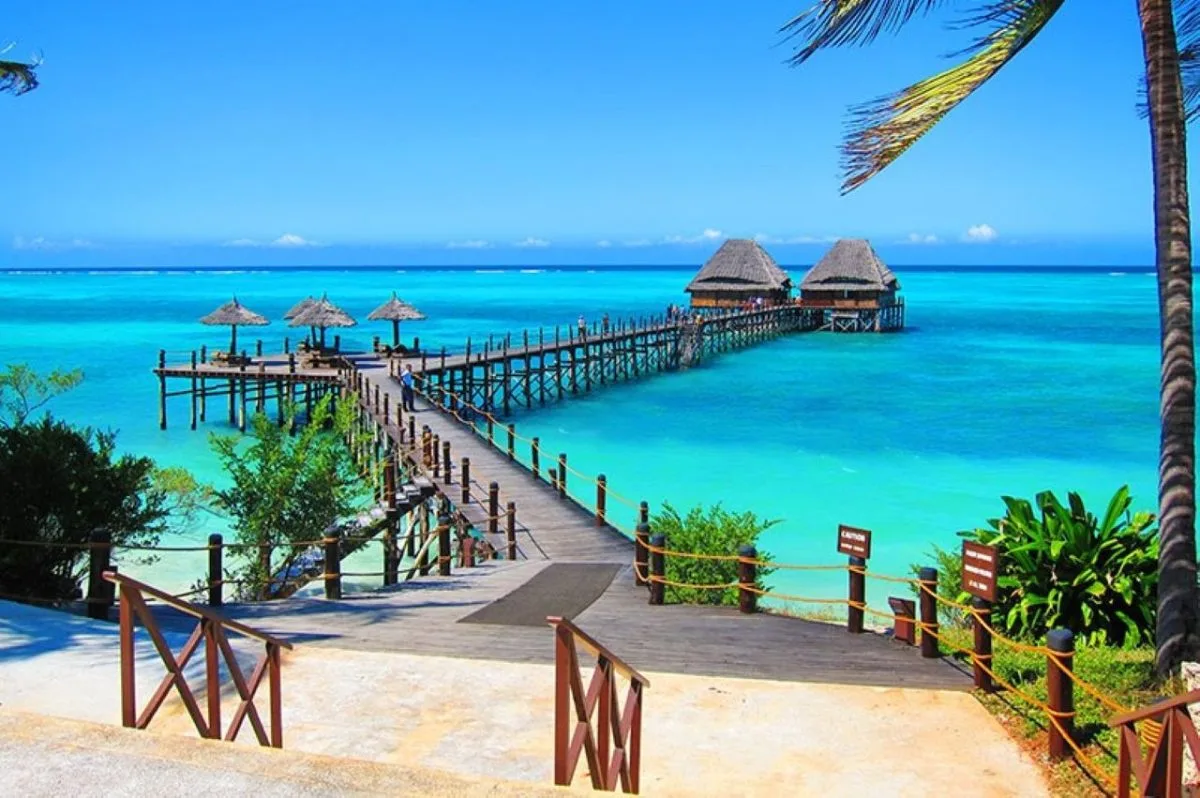
The coast is warm and humid all year, and the sea is rarely cold. Seasonal winds shape the experience: some months are breezier and a little cooler, others calmer and hotter, and the heaviest rain generally falls in the long-rains months, when some properties quieten down. Sea conditions, which affect snorkelling, boat trips and kitesurfing, can vary from month to month, so ask your planner what to expect on your dates. Our guide to Kenya’s coastal destinations compares Diani, Watamu and Lamu.
Mount Kenya
Trekkers usually aim for drier spells, but mountain weather can change within an hour in any season, and nights at altitude are cold all year. Read how to prepare for a Mount Kenya trek before choosing dates.
Busy times and quiet times
School holidays, festive periods and the main dry season tend to be busiest, so the most sought-after camps may need to be reserved well ahead. The months either side of the rains can offer a pleasing balance: fewer vehicles, good light and often a greener landscape. Rates and availability change with the season, and we confirm them in writing before anything is booked.
Choosing your month
- Decide what you most want from the trip: wildlife concentrations, quiet roads, green landscapes, beach weather or mountain conditions.
- Check what each season means for that priority, remembering that every pattern here is a tendency, never a promise.
- Look at your own calendar, including school terms and work commitments, and stay flexible by a few weeks if you can.
- Check forecasts and conditions closer to departure with Kenya’s national weather service and your operator, and pack for a range of weather.
If you are still undecided, tell us your dates and priorities and we will talk through the options. You can also see how the seasons shape a classic safari in our Maasai Mara planning guide.