Maasai Mara Safari Planning: What to Know Before You Go
The Mara means more than one place. Learn the difference between the reserve and its conservancies, how to get there, how long to stay and which questions to ask before you choose a camp.
In this guide 8 sections
“The Mara” is shorthand for more than one place, and knowing which one you are booking is the most useful thing you can learn before choosing a camp. Everything else, from the cost to the crowds to the kind of day you will have, follows from that.
Reserve, conservancy or both?
The Maasai Mara National Reserve is the famous core: open grassland, river corridors and the scenery most people picture. Around it lie private conservancies, run on land leased from local Maasai landowners. Conservancies generally limit the number of beds and vehicles, and some allow activities the reserve does not, such as walking safaris or night drives.
Neither is automatically better. The reserve offers the largest area and the widest range of terrain, while a conservancy can offer quieter sightings and a more flexible day. Some itineraries combine both. Fees and rules differ between the reserve and each conservancy, are set by their managers and can change, so confirm what applies on your dates with the camp, your operator or the managing authority.
Getting there
Most visitors reach the Mara by road from Nairobi or by a short light-aircraft flight. The drive is a long day once you allow for stops, and the last stretch can be rough, particularly after rain, when the dark clay soil turns slippery. A flight saves time and spares you the road, but baggage limits are strict and schedules depend on weather and demand. Check the current limits with your airline or operator.
Road travellers sometimes find the journey part of the experience, with long views across the Rift Valley and glimpses of rural life along the way. Flyers arrive in time for an afternoon drive. Either is a reasonable choice if you know what to expect.
How long to stay
Two nights is workable; three or four is better. A single game drive can be thrilling or quiet, and a longer stay gives the odds time to even out. The 3-day Maasai Mara safari is a practical shape for a first visit, while extra nights give you breathing space for a slow morning, a second visit to a favoured stretch of river, or a day with a different focus. If this is your first safari, our first-time planning guide puts the Mara in the wider context of choosing regions and nights.
What a good Mara day looks like
- An early drive, when the light is soft and many animals are active.
- Breakfast back at camp, or a picnic breakfast in the bush if your camp offers it.
- A long midday rest, with time to read, swim or watch the plains from the veranda.
- An afternoon drive that stretches toward dusk.
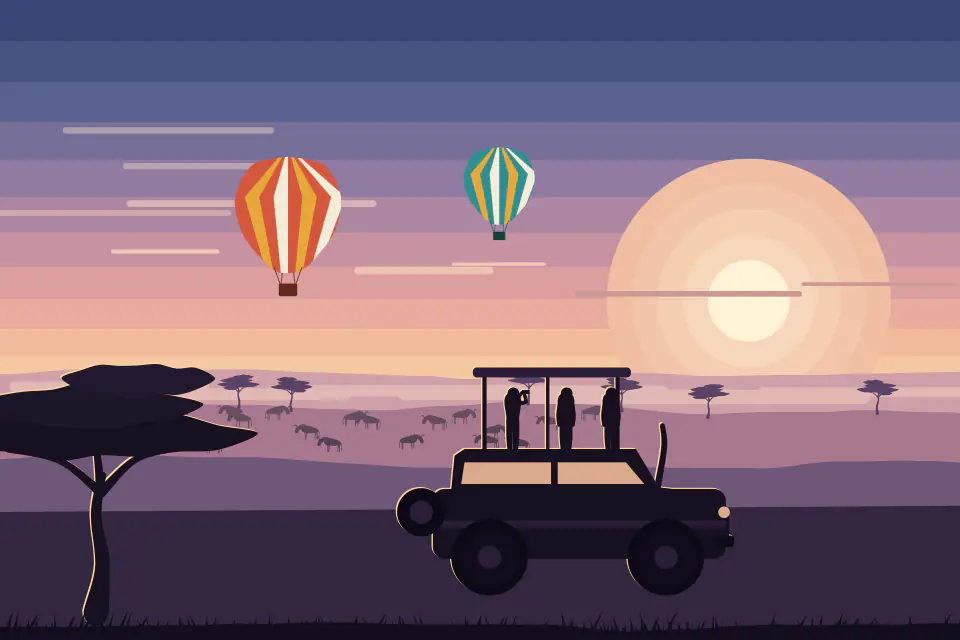
Optional extras vary by property and season: a hot-air balloon flight at dawn where offered, a guided walk, or a visit to a local community when it has been properly arranged. Extras usually cost more and depend on weather and availability, so ask early.
The migration question
For many travellers, the herds of wildebeest and zebra that move between Tanzania and Kenya are the reason to come. Their presence in the Mara typically peaks around the drier months, but timing varies year to year and is never guaranteed, and river crossings in particular are unpredictable. Resident wildlife lives in the Mara throughout the year, which is why it repays a visit in any season.
We would encourage you to choose dates for weather, comfort and availability, then treat the herds as a welcome possibility rather than a promise. Our guide to the seasons goes further.
Practical notes
- Position within the reserve: some camps sit by the river, others on open plains or along the escarpment. Ask how long the drive is to the areas you most want to see, because a camp that looks close on a map may not be close by track.
- Clothing: dawn is cool and midday is hot, so layers, a hat and sun protection all earn their place. Our packing guide has the detail.
- Dust and bumps: tracks can be rough. If you have back or mobility concerns, mention them early and ask about road conditions or a flight.
- Health: speak to your doctor or a travel clinic about malaria prevention and other advice before you travel.
- Connectivity: mobile coverage varies and some camps offer limited Wi-Fi, so tell relatives not to worry if you are quiet.
Etiquette at sightings
Popular sightings can gather several vehicles. Good guides take turns, keep to the tracks and leave when an animal seems uneasy. Support them when they decline to drive closer, and read our guide to responsible wildlife viewing before you go.
Questions to ask before you book
- Is the camp inside the reserve or in a conservancy, and how far is it from the areas you most want to explore?
- Is the vehicle private or shared, and does every guest have a window seat?
- How many vehicles may attend a single sighting where the camp operates?
- Which fees and activities are included, and which are extra?
- What is the plan if heavy rain affects roads or flights?
- Who will your guide be, and what are their particular interests?
When you have your answers, start planning your Mara trip or read more on the Maasai Mara destination page.