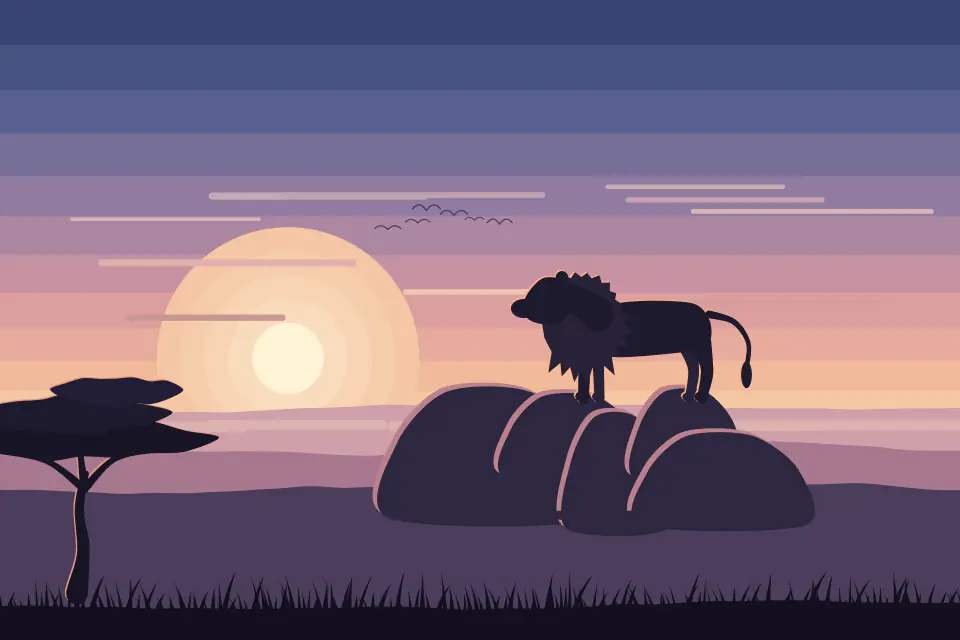
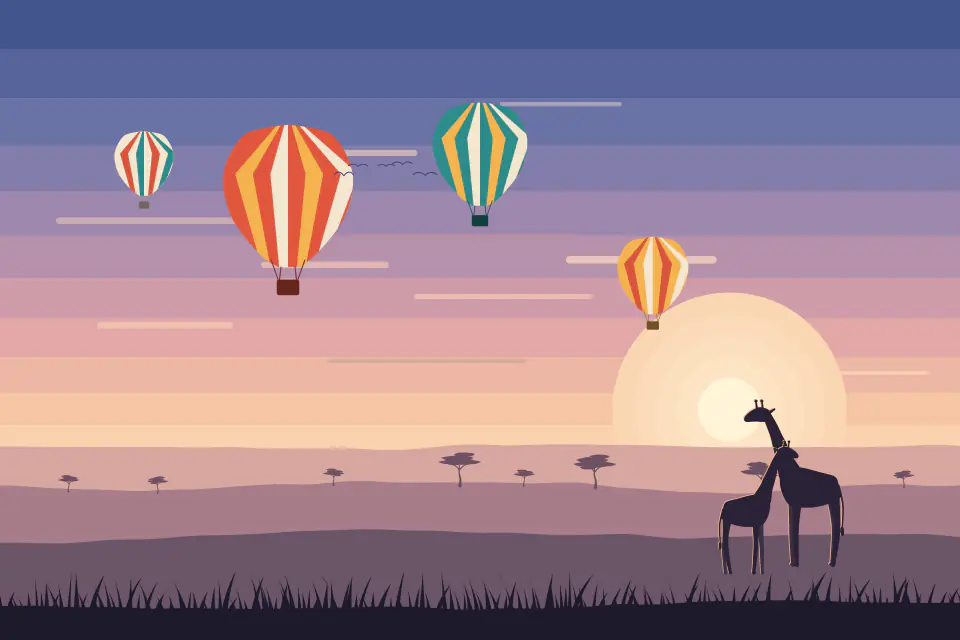
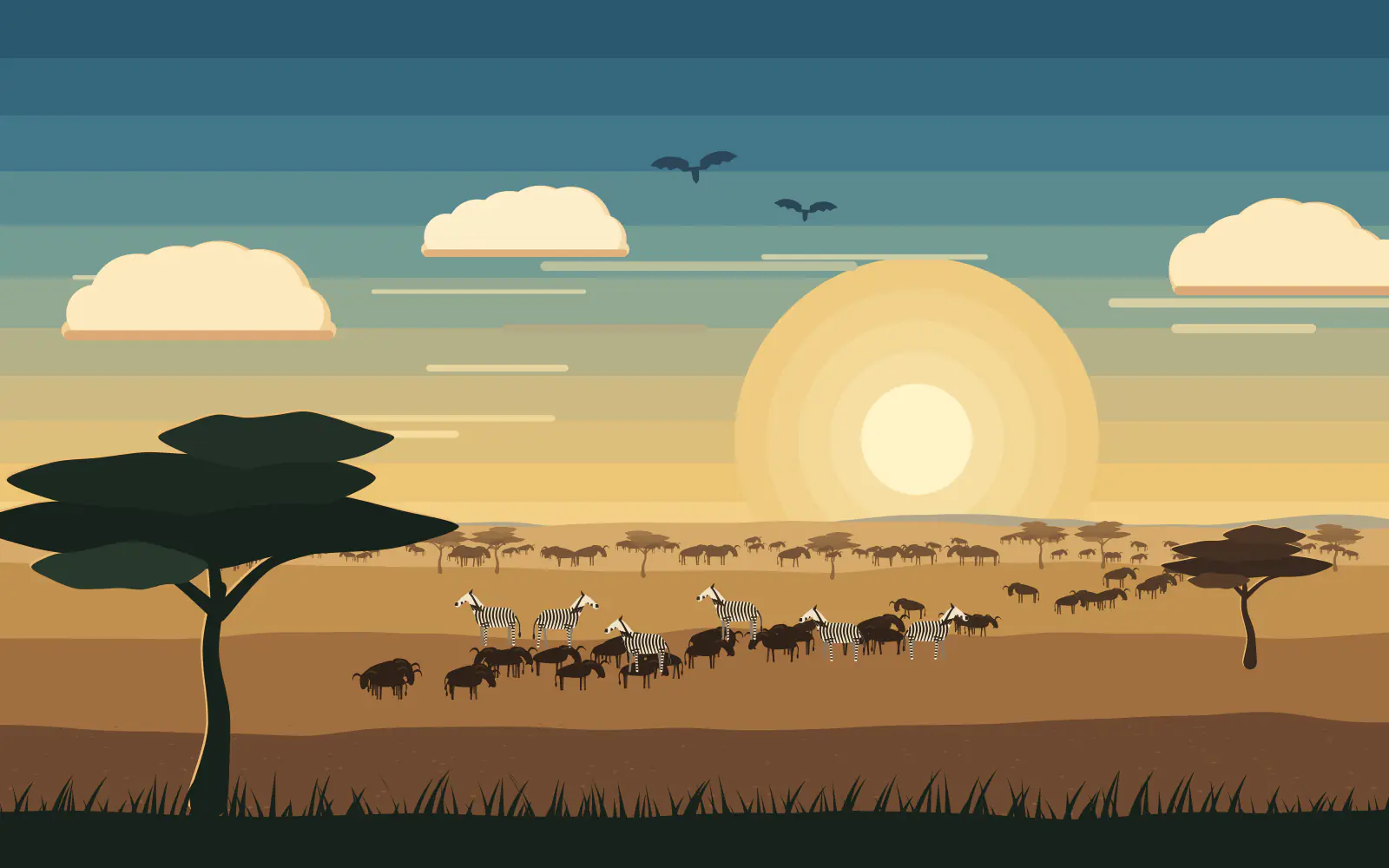
Illustration of the Maasai Mara at golden hour: long columns of wildebeest crossing open plains beneath a large low sun, with a flat-topped acacia in the foreground.
Wildlife Safaris

Southwest Kenya

Maasai Mara National Reserve

Golden grassland, winding rivers and some of East Africa's most celebrated wildlife country.

Region
Southwest Kenya
Suggested stay
At least 3 nights; 4 or more for a relaxed pace
A guide only. It depends on your route and interests.
Best time to visit
Read the seasonal guidance
Getting there
Read the access notes

Overview

About Maasai Mara National Reserve

Experience the open savannahs, sweeping landscapes and remarkable wildlife of one of Kenya's best-known safari destinations.

The Mara at a glance

The Maasai Mara National Reserve occupies the south-western corner of Kenya, where the country's grasslands merge with Tanzania's Serengeti. It is a landscape that rewards a first glimpse: golden plains rolling toward a distant escarpment, flat-topped acacias casting small islands of shade, and a sky that seems to take up most of the view. The name honours the Maasai people, who have lived alongside this land for generations, and "mara", a Maa word often translated as "spotted", for the patchwork of trees and cloud shadow across the plains.

The Mara River and its tributaries thread through the reserve and shape the rhythm of life here. Beyond the reserve boundary, community-owned conservancies extend the safari country and give travellers a choice of experiences, from the classic reserve circuit to quieter, more flexible stays on Maasai-owned land.

Wildlife and landscapes

The Mara is celebrated for its predators and its herds. Lions, cheetahs and leopards all live here, alongside elephants, buffalo, giraffes, zebras and a wide range of antelope, while hippos and crocodiles anchor the river. Sightings can never be promised, and that is part of the appeal: one drive may bring you alongside a resting pride, while another is defined by birds, small details and the changing light. A skilled driver-guide reads the land, the weather and the behaviour of the animals to shape each drive around what the day is offering.

Each year, large herds of wildebeest and zebra travel between the Serengeti and the Mara in search of fresh grazing, the movement known as the Great Migration. The herds generally reach Kenya in the second half of the year, but they follow rainfall rather than a calendar, and the dramatic river crossings that many travellers hope for cannot be predicted. Treat them as a possibility to be welcomed, never as something your itinerary depends on.

Photographers will find rewards at both ends of the day, when low light warms the grass and long shadows give the plains their depth. Hot-air balloon flights, arranged through some camps at dawn and subject to weather, add a very different perspective.

Planning your visit

Most travellers reach the Mara from Nairobi, either by road or on a short flight to an airstrip in or near the reserve. The drive takes several hours and depends on the route, traffic, road conditions and stops along the way, with some sections that can be slow after rain. Allow at least three nights so that you spend more of your time watching wildlife than travelling; four or more nights give a calmer pace and more flexibility if the weather changes your plans. Our 3-day Maasai Mara safari shows how a shorter visit can be arranged, and the Maasai Mara planning guide goes into more detail.

Seasons matter, but not in a simple way. The drier months, roughly June to October and again in January and February, often mean firmer roads and shorter grass. The rainy months bring green scenery, dramatic skies and fewer vehicles. Read when to visit Kenya for general guidance, and ask for current advice as your dates approach.

Where to stay

Accommodation ranges from lodges inside the reserve to tented camps along the rivers, smaller camps in the conservancies and seasonal mobile camps. Inside the reserve you are close to the main wildlife areas and the busier game-viewing routes; in a conservancy the number of vehicles is often limited, and some camps can arrange walking safaris or night drives where the conservancy rules allow. Location, access and the style of the camp all shape the experience, so it is worth discussing your priorities, such as privacy, family facilities or photography, before choosing. Our guide to safari accommodation explains the main options.

Visiting responsibly

The Mara's wildlife and its people both deserve care. Keep a respectful distance from animals, stay quiet, follow your guide's instructions and keep to tracks unless the rules of a conservancy permit otherwise. Cultural visits should be arranged openly with the community, with the host's agreement and a clear understanding of how the visit benefits them, and photographs of people should always be asked for. Our responsible wildlife viewing guide offers practical advice.

When you are ready to shape a Mara itinerary around your dates and interests, plan your trip with us and we will help you compare the options.
Highlights

Highlights of Maasai Mara National Reserve

Places, experiences and details that shape a visit to Maasai Mara National Reserve.

  • Open savannah scenery

    Rolling grassland, scattered acacia and the Oloololo Escarpment create the wide horizons the Mara is known for.

  • Big cats and predators

    Lions, cheetahs and leopards live in the reserve and nearby conservancies, although sightings depend on chance, season and patient guiding.

  • The Mara River

    Hippos and crocodiles line the river, which is also the setting for wildebeest crossings when herds are present and conditions allow.

  • Great Migration season

    Wildebeest and zebra usually move through the Mara in the second half of the year, but timing follows the rains and cannot be predicted.

  • Community conservancies

    Maasai-owned conservancies bordering the reserve often limit vehicle numbers and may offer walks or night drives under their own rules.

  • Maasai culture

    Respectfully arranged cultural visits can offer insight into Maasai traditions, livelihoods and the relationship between people and wildlife.

  • Dawn and dusk light

    Early starts and late afternoons reward photographers with soft light, long shadows and active wildlife.

Things to do

Things to do in Maasai Mara National Reserve

What is possible depends on the season, the area and local rules, so confirm what is available for your dates.

  • Morning and afternoon game drives

    Guided drives in a safari vehicle, timed around the cooler hours when animals are most active and the light is at its most flattering.

  • Full-day game drives

    A packed lunch lets you stay out through the middle of the day and follow a sighting or explore further without returning to camp.

  • Hot-air balloon flights

    Offered by some camps at sunrise, weather permitting, and usually arranged separately from the standard safari package.

  • Guided walks in conservancies

    Some conservancies allow accompanied walks, which shift attention to tracks, plants, insects and the details a vehicle passes by.

  • Night drives in conservancies

    Where a conservancy permits them, night drives can reveal nocturnal species; they are not allowed in every part of the Mara.

  • Photography-led safaris

    Slower drives, flexible timings and a vehicle arranged for photography suit travellers who want time to compose their pictures.

  • Cultural visits

    Visits to a Maasai community, where properly arranged, offer a chance to learn from residents about daily life and local conservation.

  • Birdwatching

    Secretary birds, ground hornbills, rollers and many other species share the plains, and a good guide will help you identify them.

Plan your visit

Planning a visit to Maasai Mara National Reserve

General guidance to help you plan. Conditions, access and rules change, so confirm current details before you travel.

Best time to visit

The Mara generally has a long rainy season from about March to May and shorter rains from about November to December, with drier months between roughly June and October and again in January and February. Drier months often bring firmer roads and shorter grass, while the green season offers lush scenery, dramatic skies and fewer vehicles. Wildebeest and zebra usually move through the Mara in the second half of the year, but their timing follows the rains and varies from year to year. Weather and conditions can change quickly, so check current conditions with your operator before you travel, and remember that no season can promise a particular sighting.

General seasonal guidance only. Conditions and availability vary from year to year, so ask for current advice before you book.

Getting there

Most visitors travel from Nairobi, either by road or on a short flight to an airstrip in or near the reserve. The road journey takes several hours, depending on the route, traffic, road conditions and stops, and some sections can be slow after rain. Flights save time but depend on schedules, weather and baggage rules, and are arranged through your operator. Entry rules, fees and permitted activities are set by the reserve's managing authority and by individual conservancies, and they can change, so confirm current arrangements with your operator before you travel.

Travel tips

Pack neutral-coloured clothing, layers for cool mornings, a hat, sun protection and binoculars. Early starts are common, so plan to rest in the middle of the day. Keep camera equipment in a dust-proof bag and carry spare memory cards. Ask your guide before leaving the vehicle and stay inside it unless told otherwise. Seek advice from a doctor or travel clinic about health precautions, including malaria, well before you travel. Ask your operator how gratuities are usually handled. Bring any prescription medication in your hand luggage, and take out travel insurance that covers safari activities.

Tours

Tours in Maasai Mara National Reserve

Itineraries that include Maasai Mara National Reserve.

View all tours in Maasai Mara National Reserve
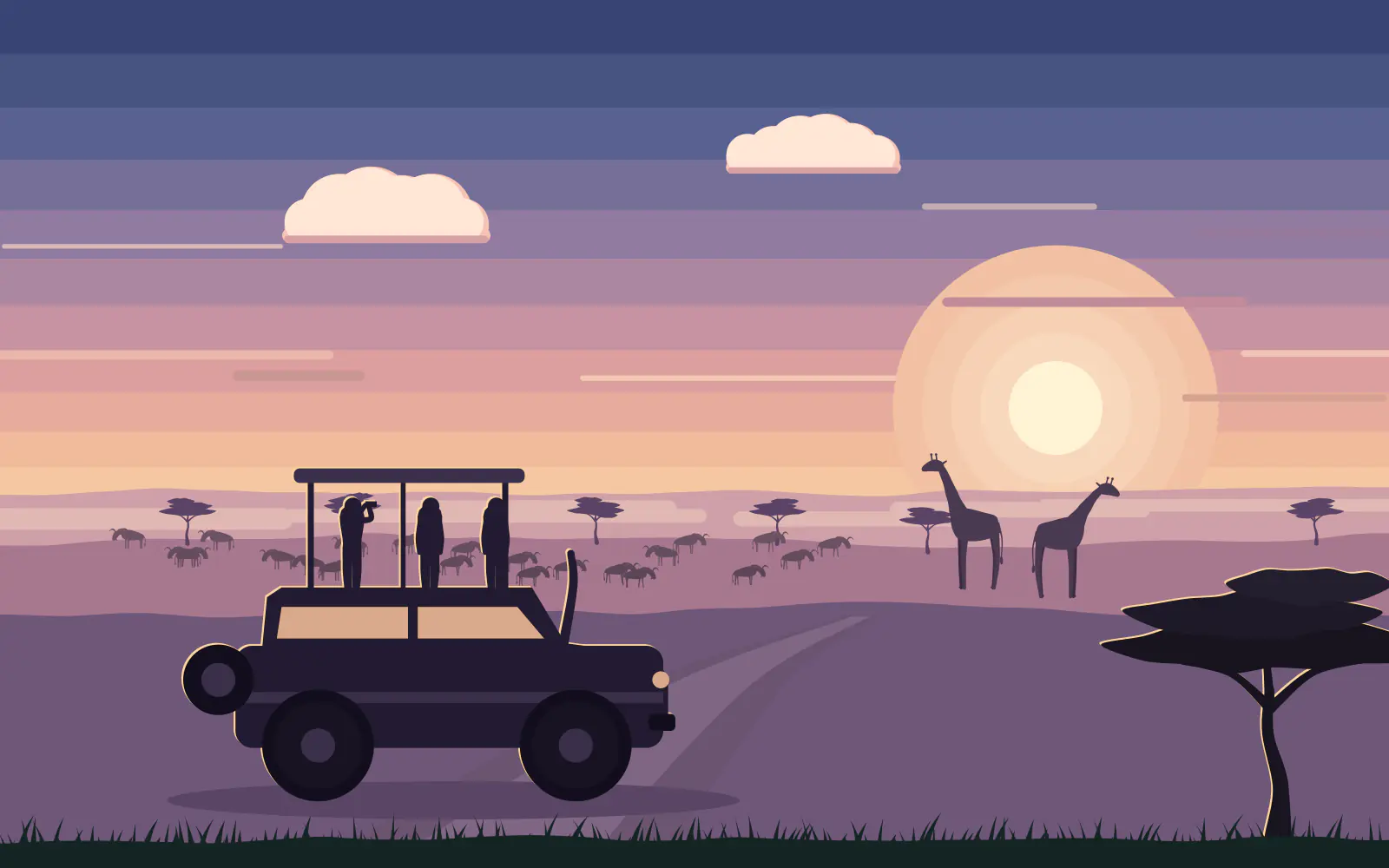
Illustration of a safari vehicle with passengers on a track at dawn, wildebeest grazing on the plain and two giraffes in the distance under a pink and violet sky. Wildlife Safaris

Maasai Mara National Reserve

3-Day Maasai Mara Safari

Spend three memorable days in the Maasai Mara, with guided game drives, wide-open savannah landscapes and time to experience the atmosphere of Kenya's famous safari country.

3 days / 2 nights Wildlife & Safari
From · illustrative KES 45,000 per person

Location

Where to find Maasai Mara National Reserve

Region
Southwest Kenya
Coordinates
1.49° S, 35.14° E

Approximate coordinates, for orientation only. Your operator confirms exact routes and transfers.

Open in maps (OpenStreetMap, opens in a new tab)

Travel guides

Guides to read before you go

Practical reading that relates to Maasai Mara National Reserve.

All travel guides
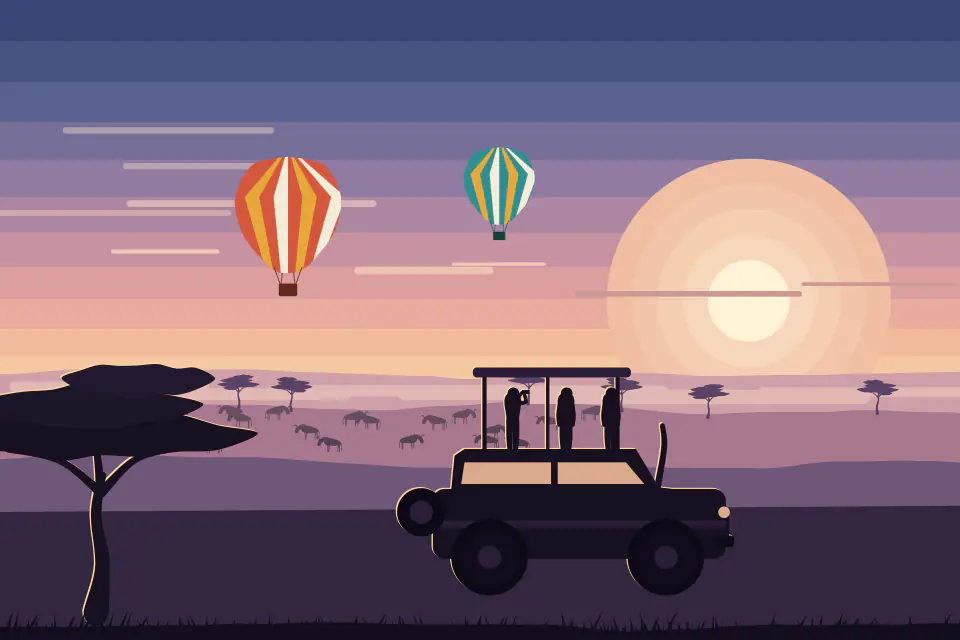
Illustration of two hot-air balloons over the Mara plains at dawn, a herd of wildebeest and a safari vehicle in silhouette under a pink sky.

Destination guides 5 min read

Maasai Mara Safari Planning: What to Know Before You Go

The Mara means more than one place. Learn the difference between the reserve and its conservancies, how to get there, how long to stay and which questions to ask before you choose a camp.

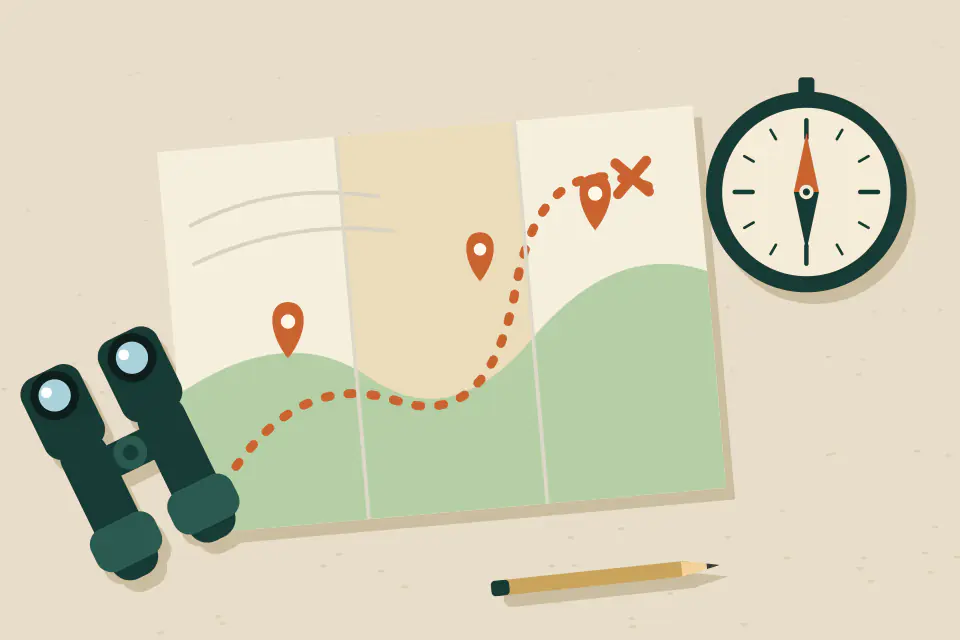
Illustration of a folded map with a dotted route and orange pins, a compass, a pair of binoculars and a pencil laid out flat on a sand-coloured table.

Planning your trip 5 min read

A First-Time Traveller’s Guide to Planning a Kenya Safari

Six decisions, taken in a sensible order, turn a vague idea of a safari into a plan: who is travelling, which region, how many nights, how you travel, what to expect and when to book.

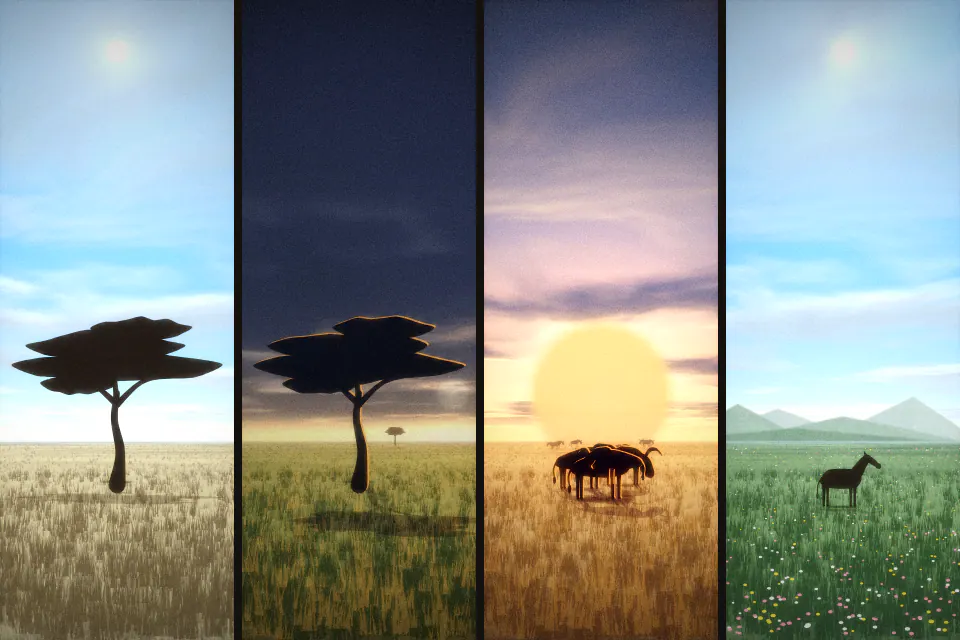
Illustration of four vertical panels: a bright sun over dry plains, rain falling from dark clouds on green land, wildebeest crossing at sunset, and flowers with a zebra on green hills.

Seasons & weather 5 min read

When to Visit Kenya: Understanding the Seasons

Kenya has no single best month. This guide explains the general pattern of dry and rainy seasons, what each means for wildlife, the coast and the mountain, and how to choose dates with open eyes.

FAQs

Questions about Maasai Mara National Reserve

Short answers to common questions. If yours is not here, just ask.

Ask a question
How many nights should I spend in the Maasai Mara?

Three nights is a sensible minimum, because it allows two full days of game drives after the journey in and before the journey out. Four or five nights give a more relaxed rhythm, more flexibility if weather or sightings change your plans, and time for an optional activity such as a conservancy walk or a cultural visit. The ideal length depends on whether you fly or drive and what else is on your Kenya itinerary, so share your plans when you enquire.

Will I see the Great Migration if I visit the Maasai Mara?

That depends on when you travel and on how the herds move that year. Wildebeest and zebra generally spend part of the second half of the year in the Mara, but their movements follow rainfall and grazing rather than a fixed calendar, and river crossings cannot be predicted. Even outside the migration months the reserve supports resident wildlife all year round. Ask your operator for current information once your dates are chosen, and treat the migration as a welcome bonus rather than a promise.

What is the difference between staying inside the reserve and in a Mara conservancy?

Camps inside the reserve place you close to the main game-viewing areas and busier routes. Conservancies are community-owned areas bordering the reserve, and they often limit the number of vehicles and beds. Some allow activities such as walking safaris and night drives, subject to their own rules, and they usually carry their own conservation charges. Each style has its appeal, so the right choice depends on your priorities, your timing and your travelling companions.

Is it appropriate to visit a Maasai community while on safari?

It can be, when the visit is arranged openly and with the community's agreement. Look for visits organised by the community itself or by an operator who can explain how the visit is arranged and how it benefits the people involved. Ask before photographing individuals, dress modestly, and treat the visit as a conversation rather than a performance. Decline any visit that feels staged, rushed or pressured, and talk to your operator beforehand about what to expect.

Keep exploring

More places to explore

Destinations in the same region, or of a similar kind.

All destinations
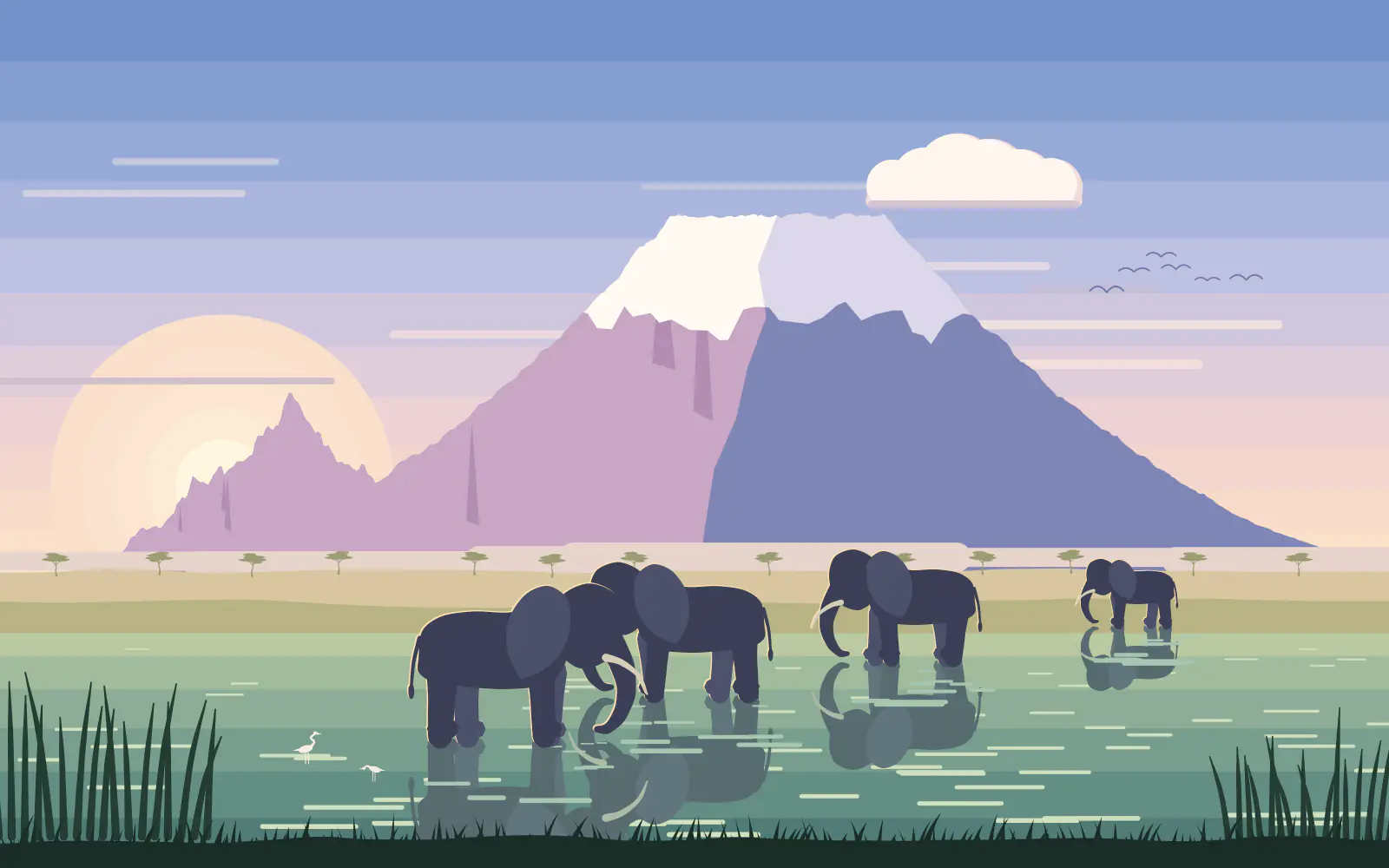
Illustration of elephants wading through the Amboseli swamp, their reflections in green water, beneath the snow-capped dome of Kilimanjaro in soft morning light.
Wildlife Safaris

Southern Kenya

Amboseli National Park

Wide plains, elephant herds and Kilimanjaro on the horizon when the clouds part.

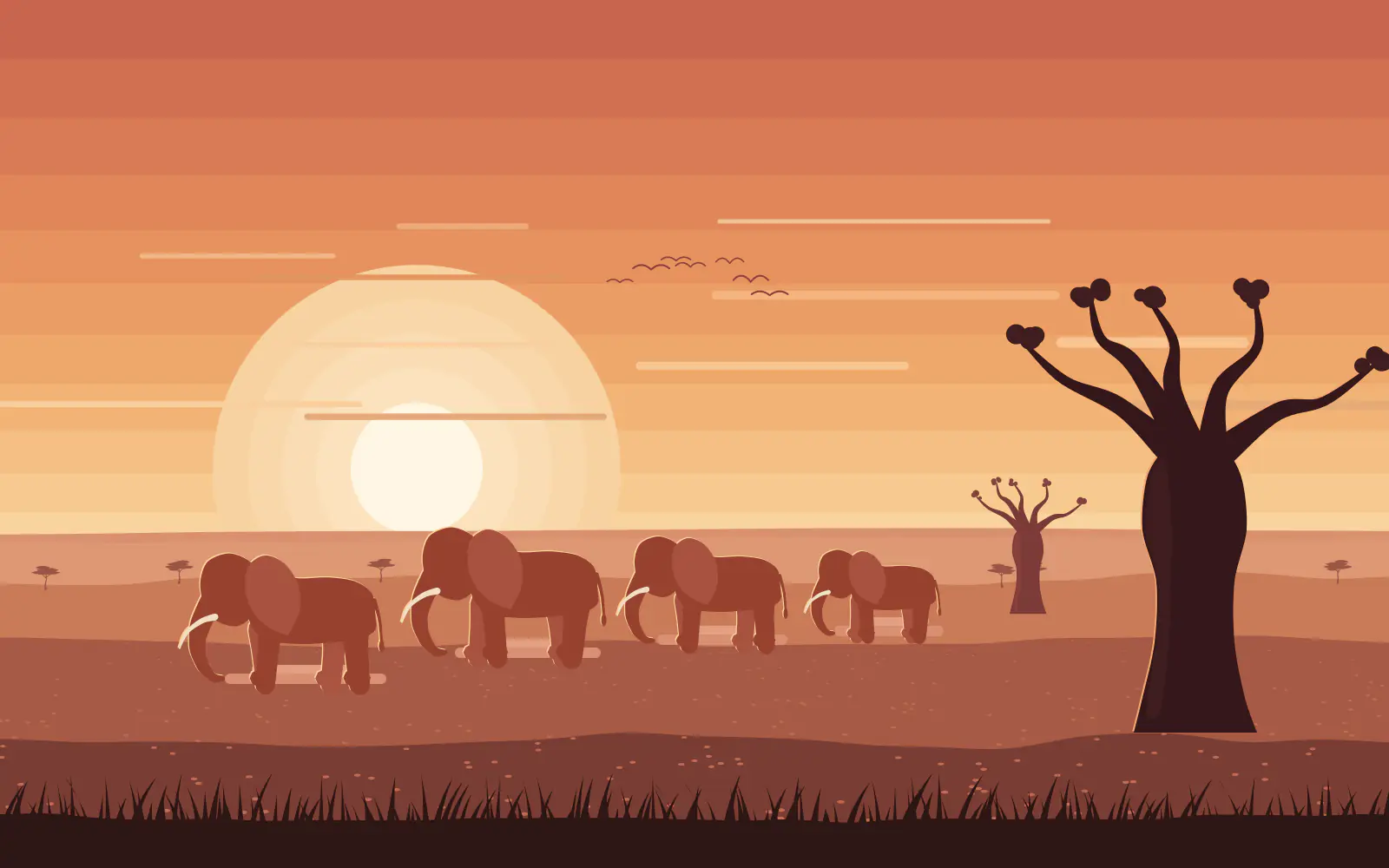
Illustration of a line of red-dusted elephants crossing flat terracotta plains beneath a pale sun, with a large baobab tree silhouetted on the right.
Wildlife Safaris

Southeast Kenya

Tsavo East National Park

Red earth, long horizons and the Galana River running through one of Kenya's widest wildernesses.

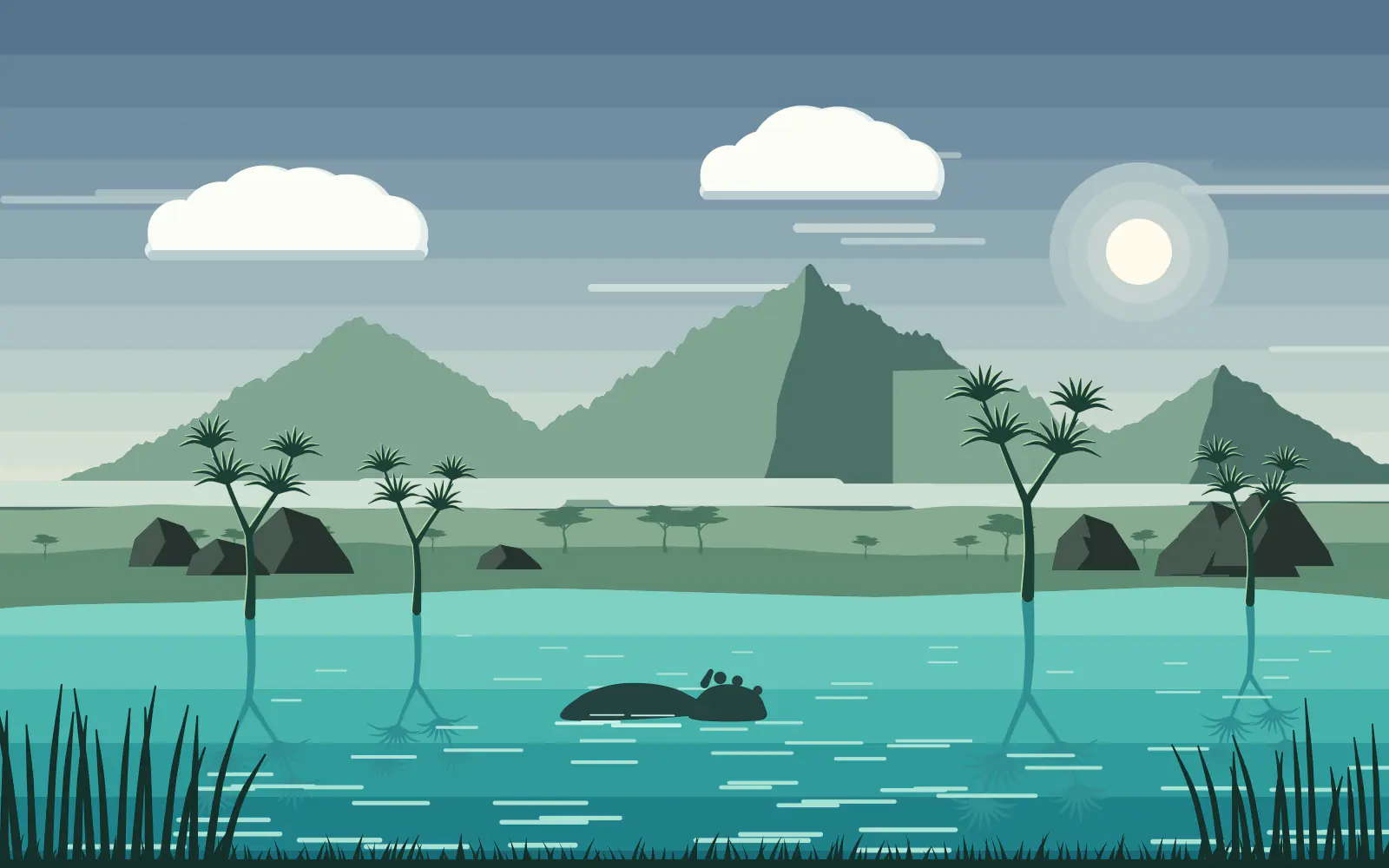
Illustration of green volcanic cones and dark rocky outcrops above a clear turquoise spring pool fringed with doum palms and reeds, a hippo resting in the water.
Wildlife Safaris

Southeast Kenya

Tsavo West National Park

Volcanic hills, clear springs and rugged scenery on the Kilimanjaro side of Tsavo.

Plan your trip

Planning a trip to Maasai Mara National Reserve?

Tell us when you would like to travel, who is coming and what matters most. We will help you choose between the itineraries above, or shape a different route.

Stay inspired

Join our travel community

Travel tips, new itineraries and honest advice for planning Kenya — in your inbox. Unsubscribe whenever you like.

Chat with Voyara

Automated answers from our approved FAQs and your own bookings. A person reads everything you send to the team.